Warm sea all year and an easy daily routine: rent, internet and healthcare cost noticeably less than in Europe at a comparable level, and tourist cities get by in English. People come for a winter and stay for years — permitted stay is extended locally. The one real question about the country is how you handle the heat and the rainy season from May to October.
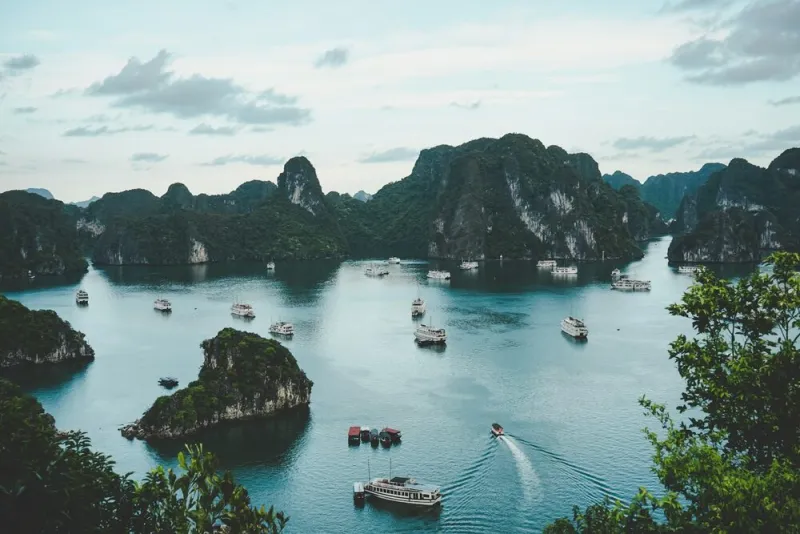
Vietnam is chosen for cheap and genuinely good food, fast internet and cities with distinct characters: business-minded Ho Chi Minh City, easygoing Da Nang, old Hanoi. Food and transport cost less than in Thailand, though rent in central Ho Chi Minh City has climbed. The north has a cool damp winter, the centre faces typhoons in autumn, and the south stays evenly warm. Visa-free entry is limited in length and then gives way to a proper visa; the friction is the language, urban air quality and paper-heavy bureaucracy.
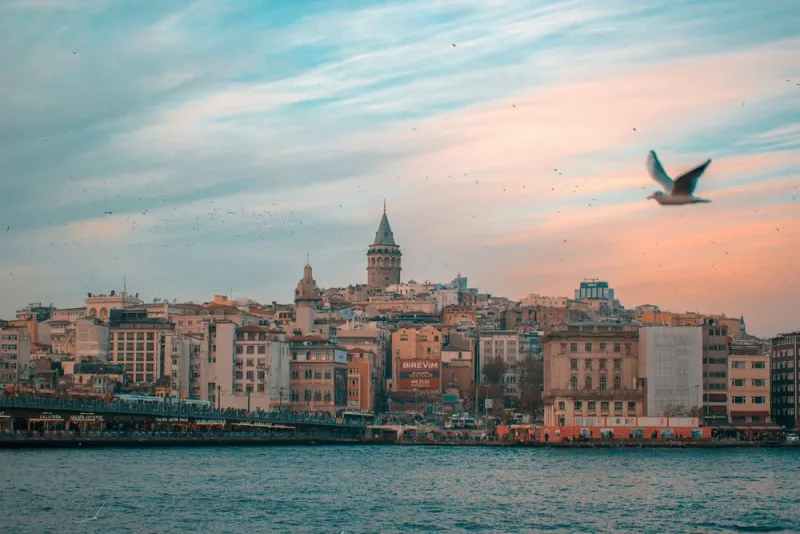
Türkiye bridges Europe and Asia with an easy start for newcomers: many nationalities can stay visa-free for 90 days within any 180-day period, while longer stays require a residence permit plus police registration. Inflation stays high — the central bank's policy rate sits at 37%, so rents and everyday prices keep climbing faster than visitors expect; plan a spending margin.
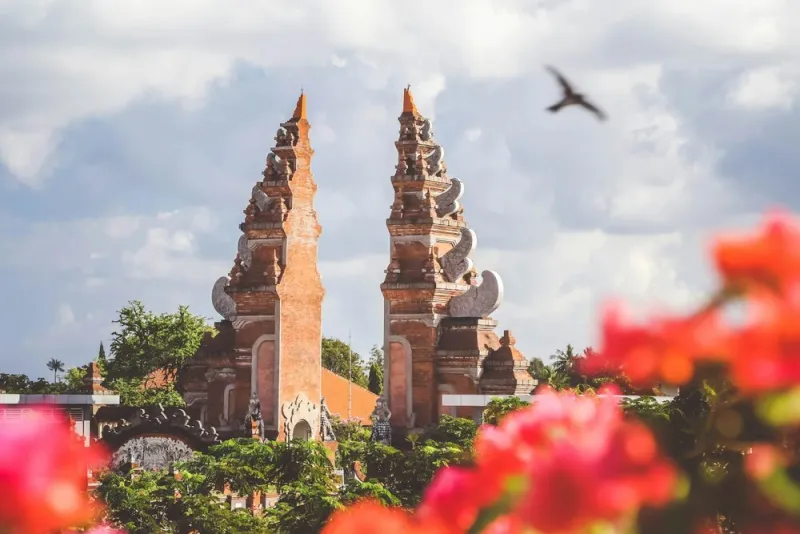
Indonesia is the largest archipelago in the world, spanning Southeast Asia and Oceania, with a year-round tropical climate and islands as different as resort Bali and busy Java. The electronic visa on arrival is valid for 30 days and can be extended once for another 30 days via the immigration website; overstaying costs IDR 1,000,000 per day, so file the extension in advance.
A visa-free stay measured in months and a tax setup that suits the self-employed: people arrive with families and register a business within weeks. Housing and food cost less than in Eastern Europe, Tbilisi winters are damp and grey, and the mountains and the coast each keep their own season. Russian gets you understood almost everywhere, but Georgian script on forms and shopfronts is part of daily life from day one. The hard parts are winter air in the capital and rents that have risen faster than local pay.
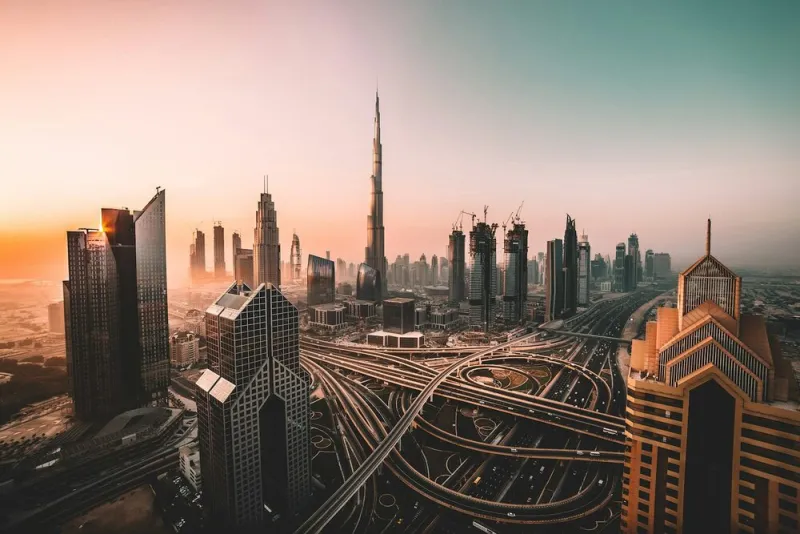
The Emirates sell predictability: rent, banking, healthcare and schools follow clear rules, English is enough everywhere, and salaries are not taxed. In exchange, housing and school fees push the budget to Western European levels, and higher in Dubai. The year splits in two: a comfortable half from November to April, and summer months spent indoors. Residency rests on an employer, property or your own company, and without one of those a long stay does not hold.
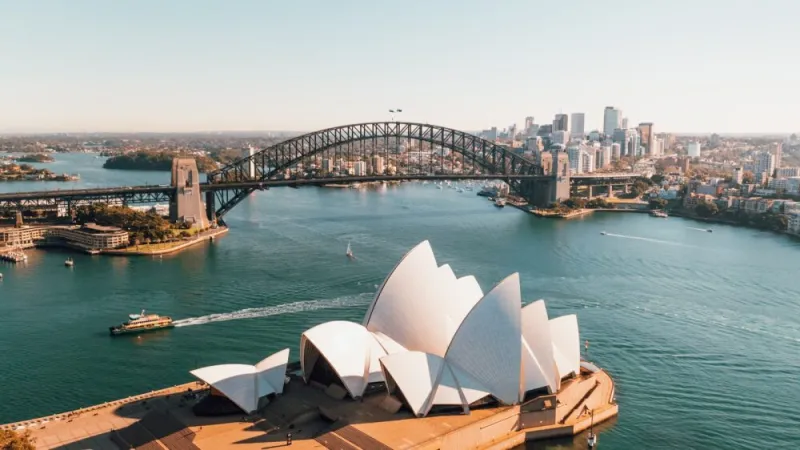
Australia is an English-speaking country of high wages, beach cities and nature that people travel for on its own. Rent in Sydney and Melbourne is expensive, as are groceries and services, but incomes and labour protections make up for it. The seasons are inverted: a hot dry summer from December to February, mild winters in the north and cool ones in the south. A visa is arranged in advance and remains the main barrier; after that come the distances, housing costs and remoteness from everywhere else.
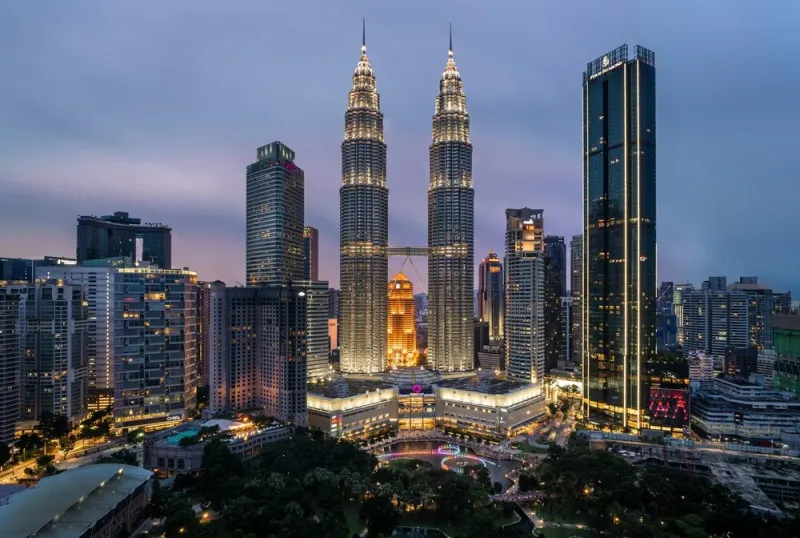
Malaysia suits people who want the tropics without daily chaos: Kuala Lumpur has a metro, private clinics, international schools and English almost everywhere. Costs sit far below Singapore and close to Thailand, and a new condo with a pool rents for surprisingly little. Heat and humidity hold all year with no dry season in the usual sense, and the hill towns are where people escape them. Long stays run through programmes for the well-off and work permits; what takes adjusting is the afternoon rain and how hard life outside the cities is without a car.
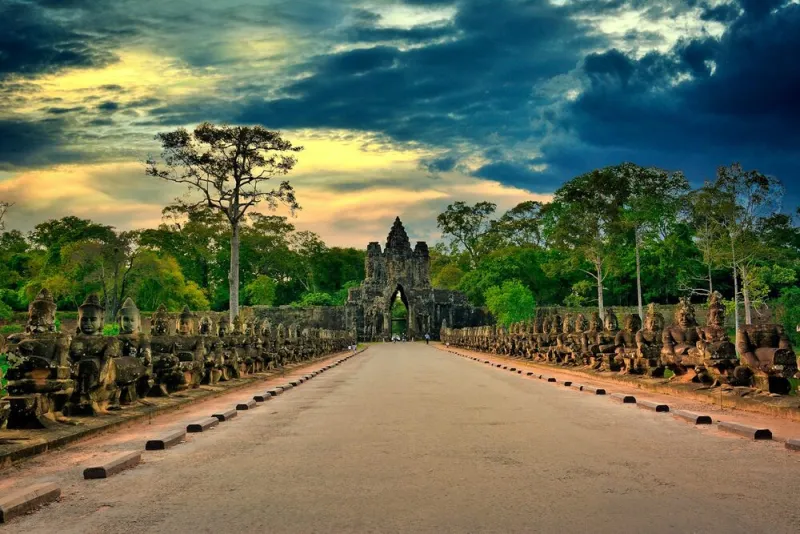
Cambodia runs on simple rules of stay: a business visa is extended for a year without an employer, which is why people move here after tiring of visa runs. Phnom Penh and Sihanoukville cost less than Thai cities for rent and food, though anything imported is more expensive. The year splits into a dry season from November to April and a wet one from May to October, with heat throughout. In return you accept thin healthcare, power cuts and a degree of street caution in the larger cities.
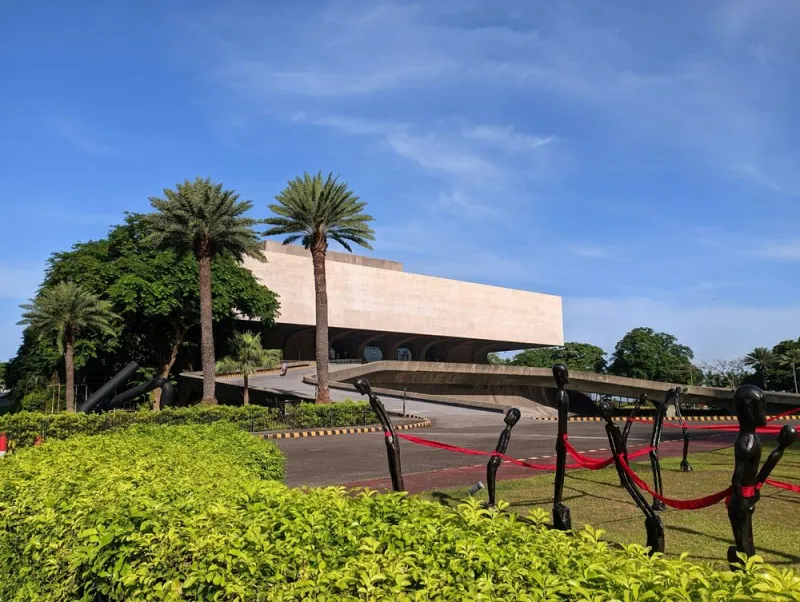
An English-speaking country of seven thousand islands: Manila and Cebu cover the practical side, the islands cover the water and the weather. Food and transport are cheap, while imported goods, electricity and decent housing cost more than Southeast Asia usually suggests. The dry season generally runs from December to May, and typhoons arrive later in the year and rearrange both plans and flights. Extending a stay is done locally and without drama; the hard parts are inter-island logistics, road quality and power cuts.
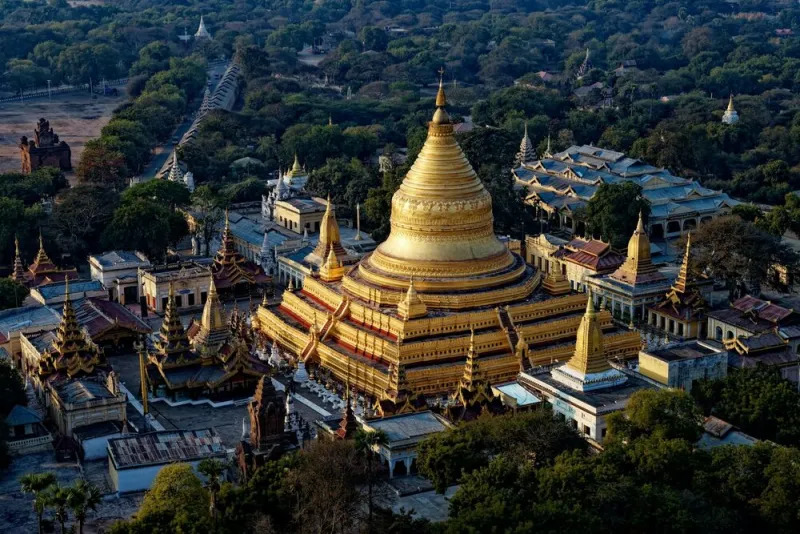
Myanmar is a destination for short trips to the pagodas of Bagan and to Inle Lake rather than a place people move to. Prices are low by regional standards, but the choice of housing, banking and connectivity available to a foreigner is limited. The climate is tropical: a dry season from November to February, heat in spring and rain through the summer. Parts of the country are closed to travel, domestic transport is unreliable, and serious medical care means flying out.
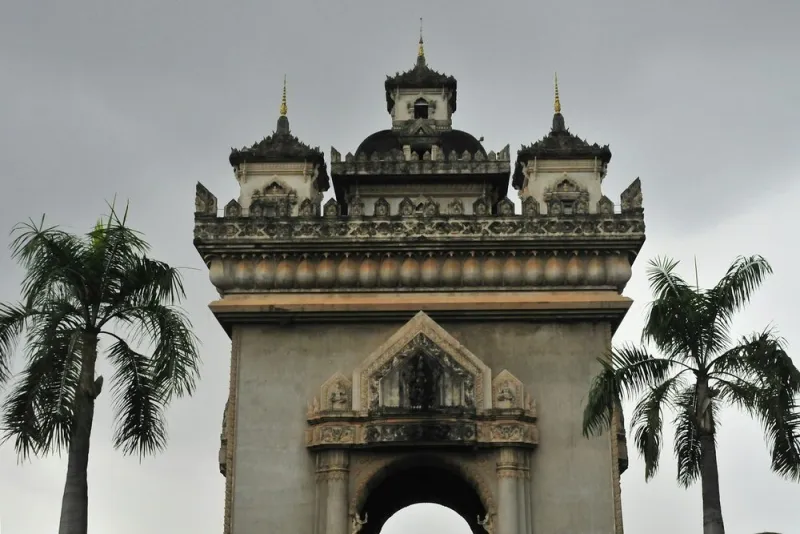
A quiet country on the Mekong that people choose for the slow pace: Vientiane and Luang Prabang are small, and the northern mountains take care of the rest. Living costs less than in Thailand, while imports, electronics and fuel cost more, as nothing arrives by sea. The dry season runs from November to April with summer rains, and in March agricultural smoke settles over the north. Healthcare is weak, so anything serious means a trip to Thailand, and both internet and logistics lag behind the neighbours.
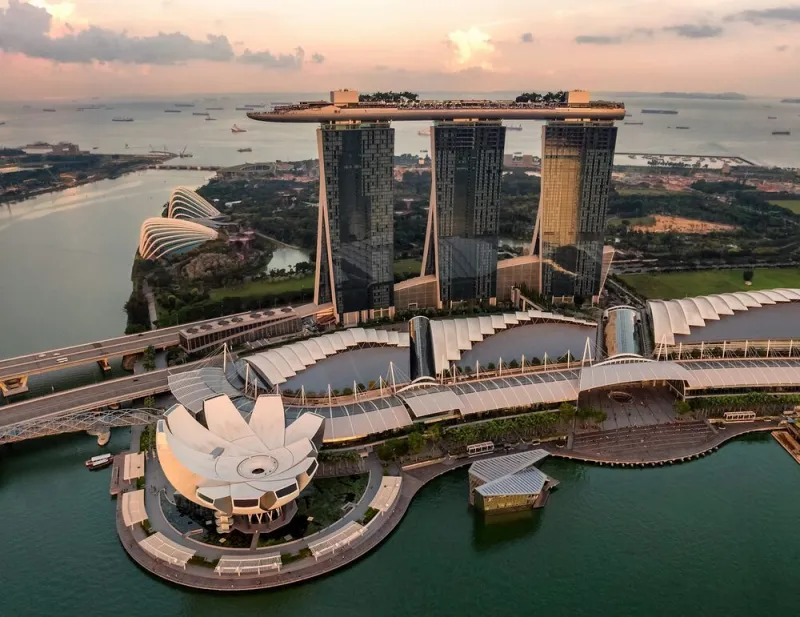
A city-state where everything runs to schedule: transport, clinics, banks and schools at a level not assembled anywhere else in the region. The price is exactly that — rent and car ownership match expensive Western capitals, and a family budget works out very differently from the neighbouring countries. Heat and humidity hold all year, rain comes in short daily bursts, and seasons in the usual sense do not exist. A long stay depends on a work pass or your own company; without one, Singapore stays a place for transit and medical trips.
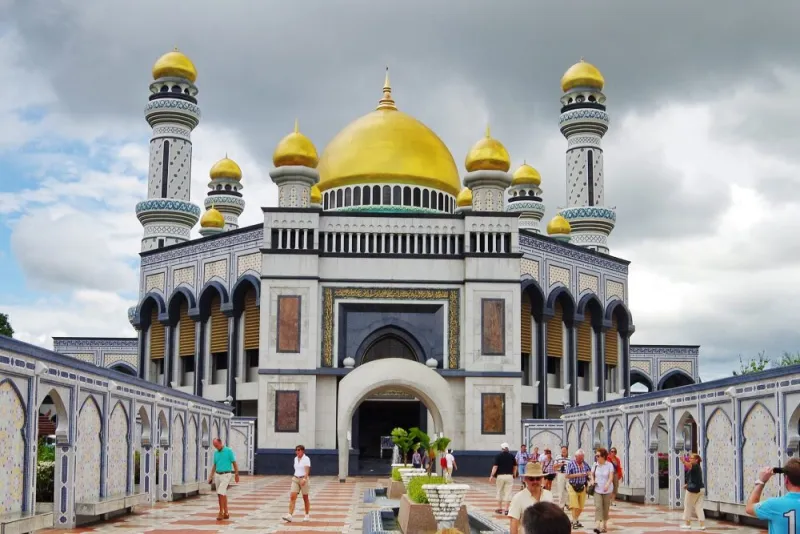
A small oil sultanate on Borneo: a calm routine, free healthcare for citizens, English in daily use and almost no street crime. Personal income is not taxed and food and fuel are cheap, but the choice of housing, goods and things to do is very narrow. The tropics without seasons: hot and humid all year, with rain possible in any month. People come here almost solely for work, and local rules of daily life, from alcohol to dress, take separate getting used to.
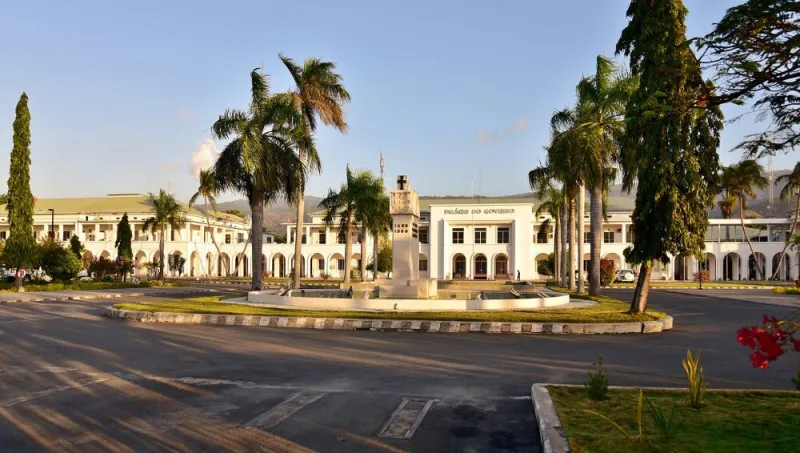
A young country on the eastern half of Timor, visited for diving, mountains and near-empty beaches. Everything is priced in dollars, so food and housing in Dili cost more than the setting suggests. The dry season runs from May to November with rain the rest of the year, and only the highlands soften the heat. Infrastructure is young: roads, internet and healthcare are limited, and serious treatment means a flight to Darwin or Singapore.
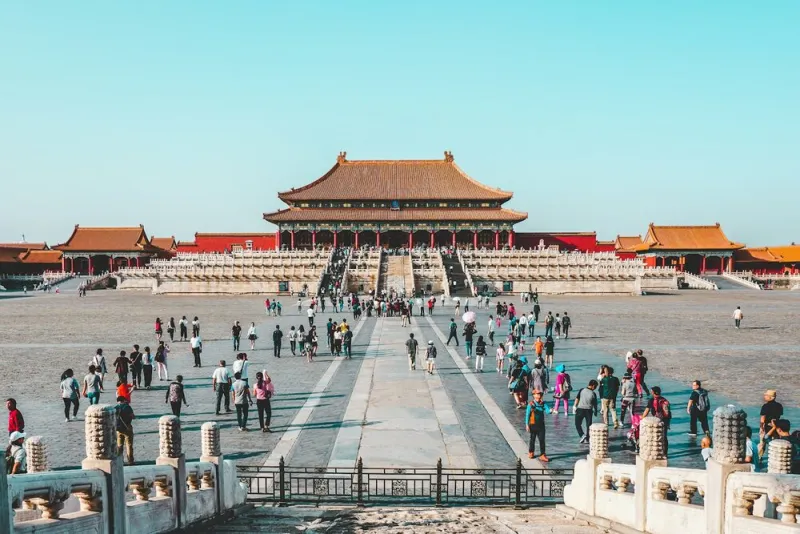
China works like several countries at once: business-minded Shanghai, southern Shenzhen, warm Hainan and northern cities with a real winter. Housing in the major hubs is expensive, while food, transport and services are cheap and app-based daily life is smoother than in the West. The climate ranges from continental in the north to subtropical in the south, so the season is chosen together with the city. The hardest parts are the language and the internet: without Chinese and without local apps, everyday tasks slow to a crawl.
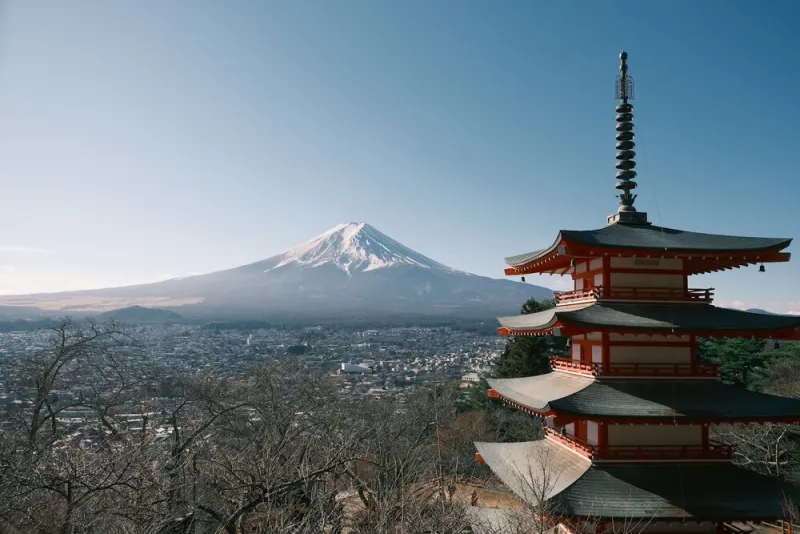
Japan offers a rare combination of order, healthcare and transport that leaves daily logistics almost effortless. Tokyo rent is high, yet groceries, transport and eating out cost less than the country reputation suggests. Four distinct seasons: a humid summer with typhoons, snowy winters in the north and mild ones in the south. Entry and work require a status arranged in advance, and the friction starts with the language, a rental market wary of foreigners and demanding work norms.
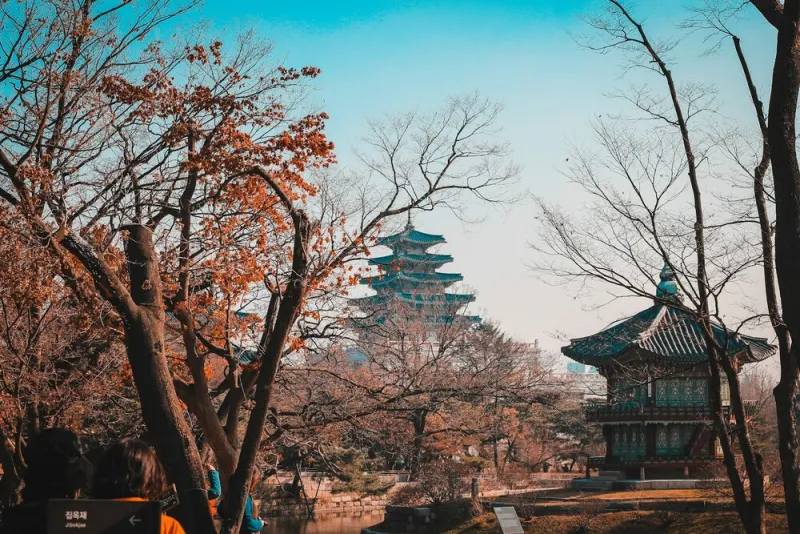
A country of dense cities and very fast service: Seoul covers work, healthcare and leisure, with the sea and the mountains an hour away. Housing in the capital is expensive and often rented against a large deposit, while food, transport and connectivity are cheap. The seasons are pronounced: a humid summer with heavy rain, a dry cold winter and short comfortable shoulder seasons. The language, the working rhythm and the fact that most services require a local ID and phone number are the real obstacles.
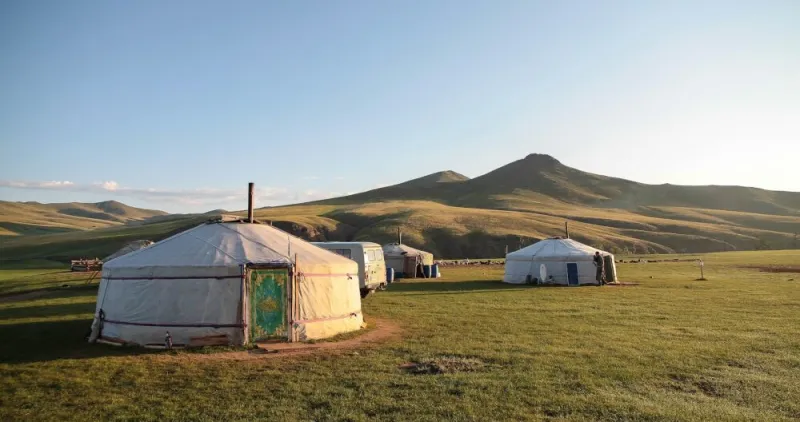
Steppe, a nomadic tradition and one genuinely large city: almost everything urban in the country sits in Ulaanbaatar. Food and transport are inexpensive, while heating, imports and decent housing take a noticeable share of the budget. A sharply continental climate means a short warm summer and a very cold winter, trailed by capital-city smog. The difficulties are winter air, roads outside the cities and healthcare that people fly to Seoul or Beijing for.
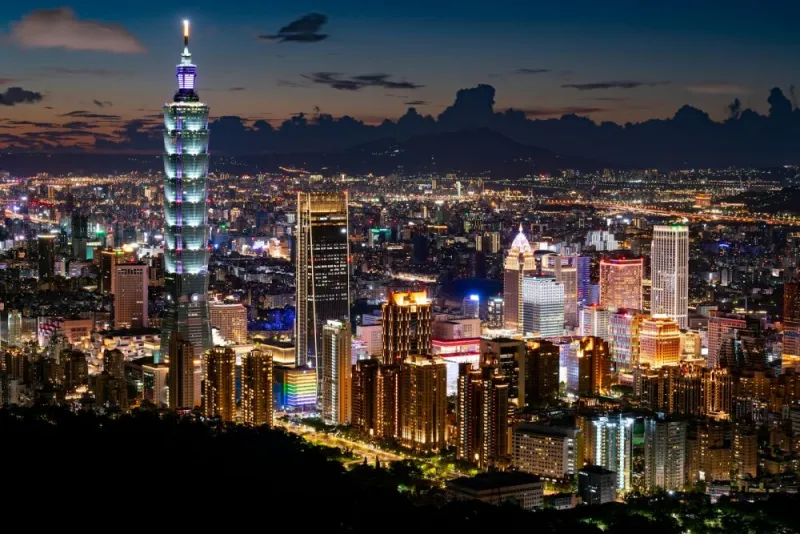
An island with urban comfort, cheap street food and mountains half an hour from the office: Taipei covers work and healthcare, the south brings warmth and the sea. Rent is lower than in Korea or Japan, and the health system is among the easiest in Asia to use in terms of cost and access. Summers are hot and humid, typhoons pass in autumn, and winter is damp in the north and close to summer in the south. The friction is the language, earthquakes as a routine fact of life, and work visas that are hard to get without an invitation.
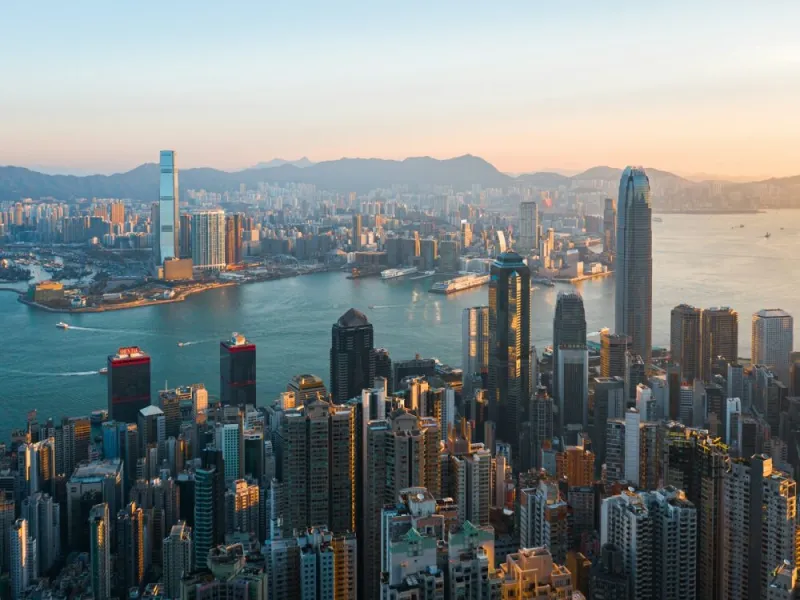
A dense city with English in official use, excellent transport and hiking trails twenty minutes from the towers. Rent is the heaviest line in the region, while food, transport and income tax cost less than such a city implies. A hot humid summer with typhoons gives way to a mild dry winter, and the best stretch runs from November to March. What you accept is tiny flats, noise and a long stay that depends entirely on work status.
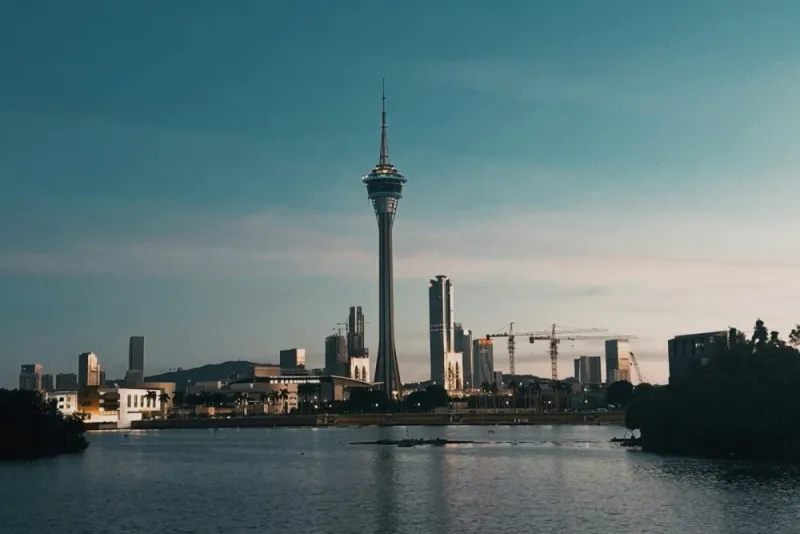
A compact territory with Portuguese heritage, casinos and some of the densest building in the world. Income is barely taxed, but rent is high and the choice of housing and schools is limited by the size of the place. The climate is subtropical: humid summers with typhoons and mild winters. The economy leans on gaming and tourism, so work outside those sectors is scarce, and bigger shopping and medical trips happen in the neighbouring cities.
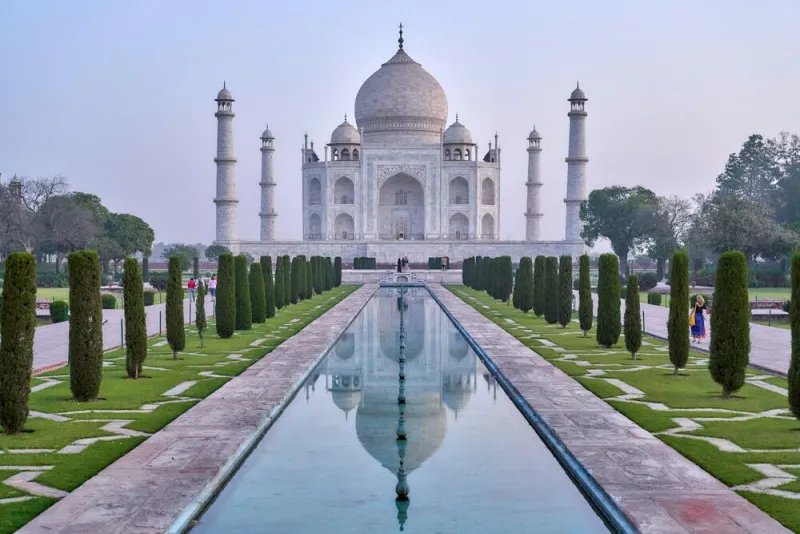
India holds several formats at once: a beach winter in Goa, the mountain north, business-minded Bengaluru and Mumbai for work and healthcare. Living costs less than almost anywhere in Asia, though decent housing, international schools and private clinics are priced like a developed country. The year is built around the monsoon: rain from June to September, a dry warm winter in the south and heat in spring. The hard parts are urban air quality, sanitation and a bureaucracy that still prefers paper copies and personal visits.
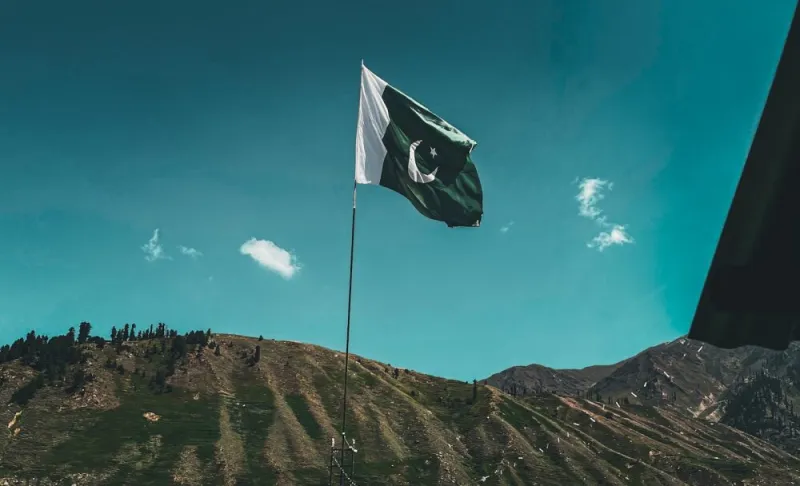
A country of a mountainous north and large southern cities: Karachi and Lahore provide work and healthcare, Hunza and Skardu the routes people come for. Prices are low even by Asian standards, while imports, electricity and decent housing cost disproportionately more. The climate is dry, with hot lowland summers, mild southern winters, real snow in the mountains and a short northern rainy season. The difficulties are power cuts, movement restrictions in a number of districts and healthcare that people fly to Dubai for.
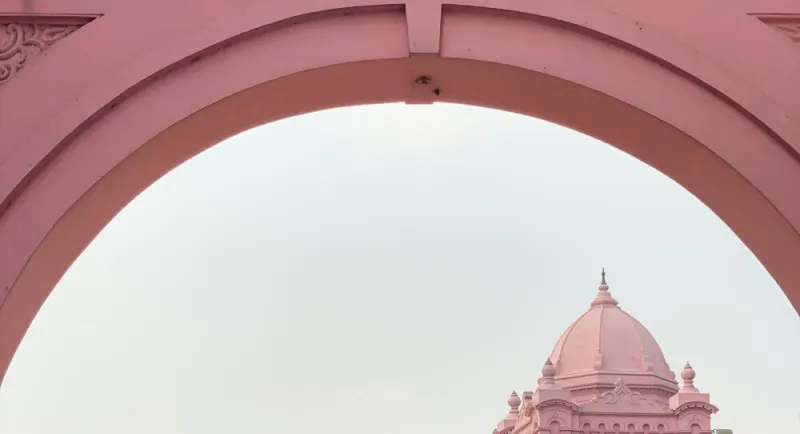
The Ganges delta and one of the most densely populated corners of the planet: Dhaka means work, manufacturing and constant motion. Living is very cheap, though air-conditioned housing of a European standard and international schools are expensive. The monsoon from June to October brings downpours and flooding, winter is dry and mild, and spring is hot and heavy. The main difficulties are traffic, air quality and thin healthcare, which sends check-ups to Bangkok or Singapore.
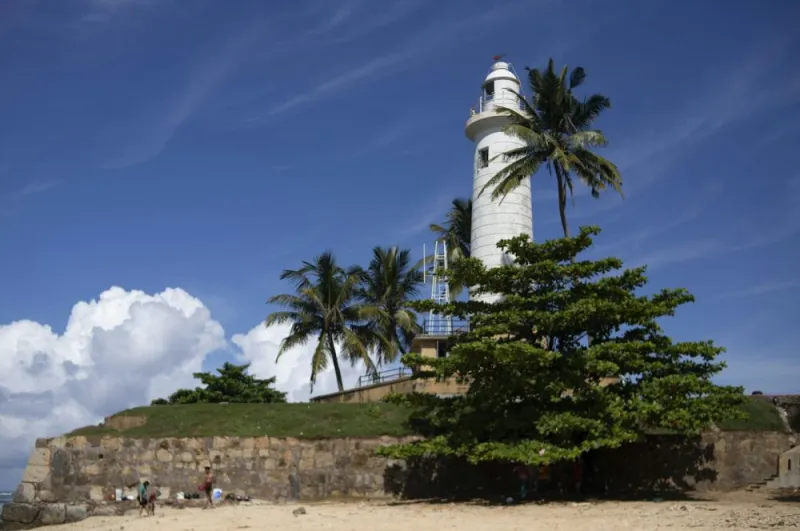
A compact island where the ocean, the tea hills and the national parks are a few hours apart. Life costs less than in Thailand, especially food and rent, while imported goods and electronics are expensive. Two monsoons split the year: the south-west coast has its season from December to April, the east from May to September. Entry is arranged online, and the difficulties are healthcare outside Colombo, the roads and supply gaps worth preparing for.
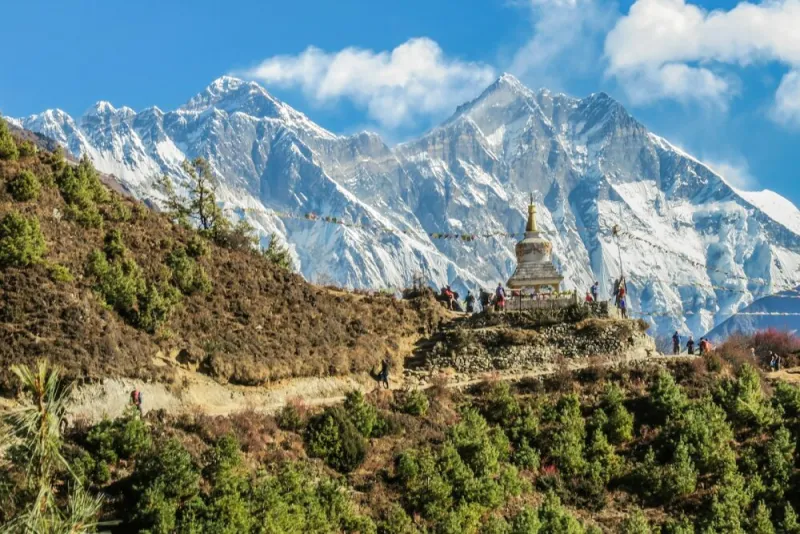
Nepal is the Himalayas with Kathmandu at their feet: people arrive for the trekking and stay for the low costs and unhurried pace. Rent and food cost little, while imports, electronics and fuel are expensive and housing quality varies widely. Trekking season is spring and autumn, the monsoon takes the summer, and winter is cold in the mountains and dry in the valley. The difficulties are Kathmandu winter air, power interruptions and healthcare that sends serious cases to India or Bangkok.
Looking for a city that finally gets you…